There are days when the world moves too fast.
When our minds spin, our feet hover above the ground, and the question returns — Where do I belong?
Sometimes, the answer doesn’t come in words.
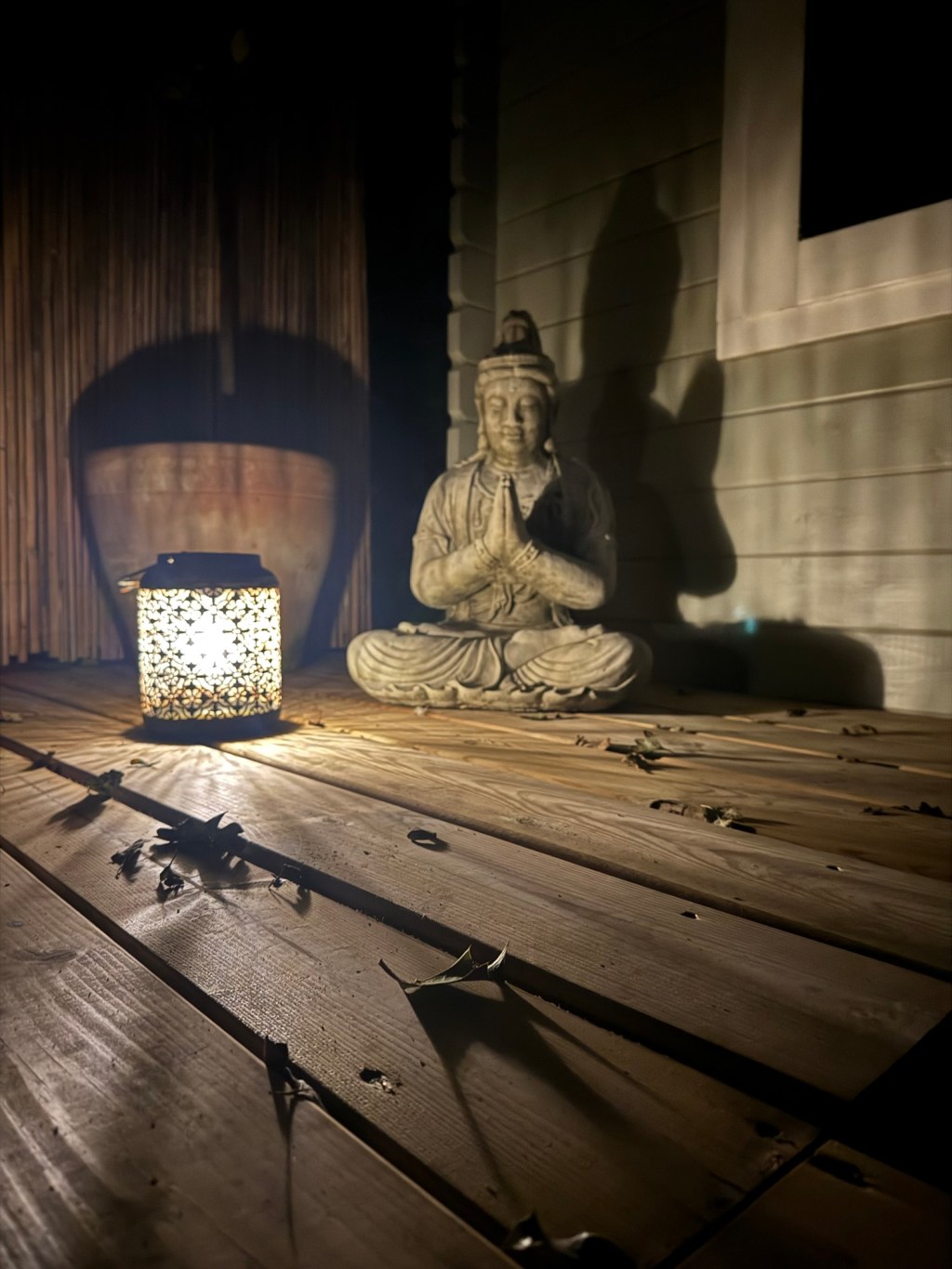
It comes in the lighting of a candle.
The pouring of tea.
The kneeling down.
The touching of earth.
The passing of bread.
A breath, taken in rhythm.
Rituals are how we remember who we are.
They are the choreography of belonging — movements passed through generations, carried in bodies, whispered in kitchens, repeated at dusk. Sacred, not because they are big, but because they are the same — over and over — when so much else is not.
What Ritual Offers Us
In a world that worships novelty, ritual offers comfort through repetition.
It is the steady heartbeat beneath the noise. A soft insistence that this moment matters.
Psychologists say rituals help reduce anxiety, increase connection, and even soften grief. But long before studies confirmed it, our ancestors already knew. They danced their prayers. They bathed before sunrise. They sang the sun into rising, the dead into resting, the babies into becoming.
We are wired for rhythm. We are soothed by the familiar.

Across cultures, there are sacred and everyday rituals
Ritual does not belong to one religion or people. It belongs to all of us.
- In Judaism, the lighting of Shabbat candles on Friday night marks a threshold — from doing to being, from work to rest. A sacred pause.
- In Islam, the five daily prayers (Salat) offer a physical and spiritual reorientation — bowing the body in remembrance that there is something greater than the self.
- In Hinduism, daily puja rituals honor the Divine in the home — with flowers, incense, and flame. Not for performance, but for presence.
- In Japanese tea ceremonies, silence is part of the ritual. Every gesture — pouring, holding, bowing — is mindful. A cup becomes a sacred vessel of connection.
- In Christianity, Communion is a ritual of remembering — a breaking of bread that echoes a story of shared suffering, shared hope.
- In Indigenous cultures, rituals are intimately tied to the land — planting cycles, solstices, songs that wake the forest and honour the ancestors.
Even in modern life, rituals find us in the ordinary:
Birthday candles. Funeral flowers. Sunday dinners.
The way we say goodnight.
The song we always play on road trips.
The cup of tea made just the way we like it — not for the taste, but for the memory it holds.

Sometimes we forget.
Ritual becomes routine.
We light the candle and forget to look at the flame. We say the words but leave our hearts outside the room.
That’s okay.
Rituals are not about perfection — they are about return.
They wait patiently.
And when we come back, we find that they have been holding space for us all along.
Creating Our Own Anchors
Not all of us grew up with spiritual traditions. Some of us are learning to belong in real time. But the beautiful thing is this: ritual can be made. Crafted. Chosen. Grown.
- Light a candle before you eat.
- Write a word on a stone and place it at your door.
- Breathe deeply before you speak.
- Sit in silence for five minutes every morning.
- Sing one song every birthday — even if it’s just to yourself.
What matters is not how grand it is, but how true.
In the end, ritual is not about religion.
It is about remembering.
Remembering that we are bodies. That we are breath. That we are part of something older, deeper, and more tender than we can fully name.
We live in a disjointed world. But ritual gives us rhythm.
And rhythm gives us root.
And sometimes, the most sacred thing we can do —
is simply to begin.

 The Belonging Collective