Author: Phil Banks
-

Children don’t behave for teachers they like, they behave for teachers they trust, and who trust them.
I have read a number of blogs recently, some by significant educational heavyweights, that equate relational behaviour management to ‘children only behaving for teachers that they like.’ This, overly simplistic and inaccurate view of relational behaviour management exemplifies a total misunderstanding of the deep and hard work that goes into relational behaviour management. In this…
-

The Dog Who Learned Through Love.
A short fable about relational education. A puppy, beaten and neglected, was brought at last to a rescue home. Its body healed, but its heart still trembled at every sound. One day, a man came to adopt it. At first, he spoke kindly, but when the dog chewed his shoes through fear and confusion, the…
-

Navigating the Seven C’s of Belonging
A framework for securing belonging in your school or classroom. A rising tide does not lift all boats. Some boats are full of holes, some have rotten timbers and others are rudderless, adrift in stormy seas. In order for the tide to be able to lift each boat and keep it afloat, the sailor must…
-
Belonging- The Results Are In!
What does Belonging feel like for students and teachers? Over the last term, I have been working with a group of colleagues across a city to talk about Belonging and how we might harness it as a superpower to generate enhanced outcomes both educationally and in terms of wellbeing for our young people. We know…
-
Belonging is the Answer – What’s Your Question?
Having interviewed many candidates, for many posts, over many years, when asked for advice on interview technique I have always said, if you are stumped for an answer, the answer is always relationships. How do you raise standards in a school? – Relationships. How do you improve student behaviour? – Relationships. How do you improve…
-
The Business of Belonging
WHAT DID PETER DRUCKER NEVER ACTUALLY SAY? ‘Culture eats strategy for breakfast.’ Peter Drucker (possibly, but probably not, more likely Steve Jobs or Jack Welch That is to say, belonging matters just as much in business as it does in education. Human beings need to belong, they need to find significance and they need to…
-
The Song of Belonging.
Ever since I can remember, I have loved music. That’s not unusual, we all have a deep, primal connection with sound and rhythm. It’s in our DNA, our neural systems are wired for sound. The music we like however, and the music that we don’t is more inspired by our history and experiences than our…
-
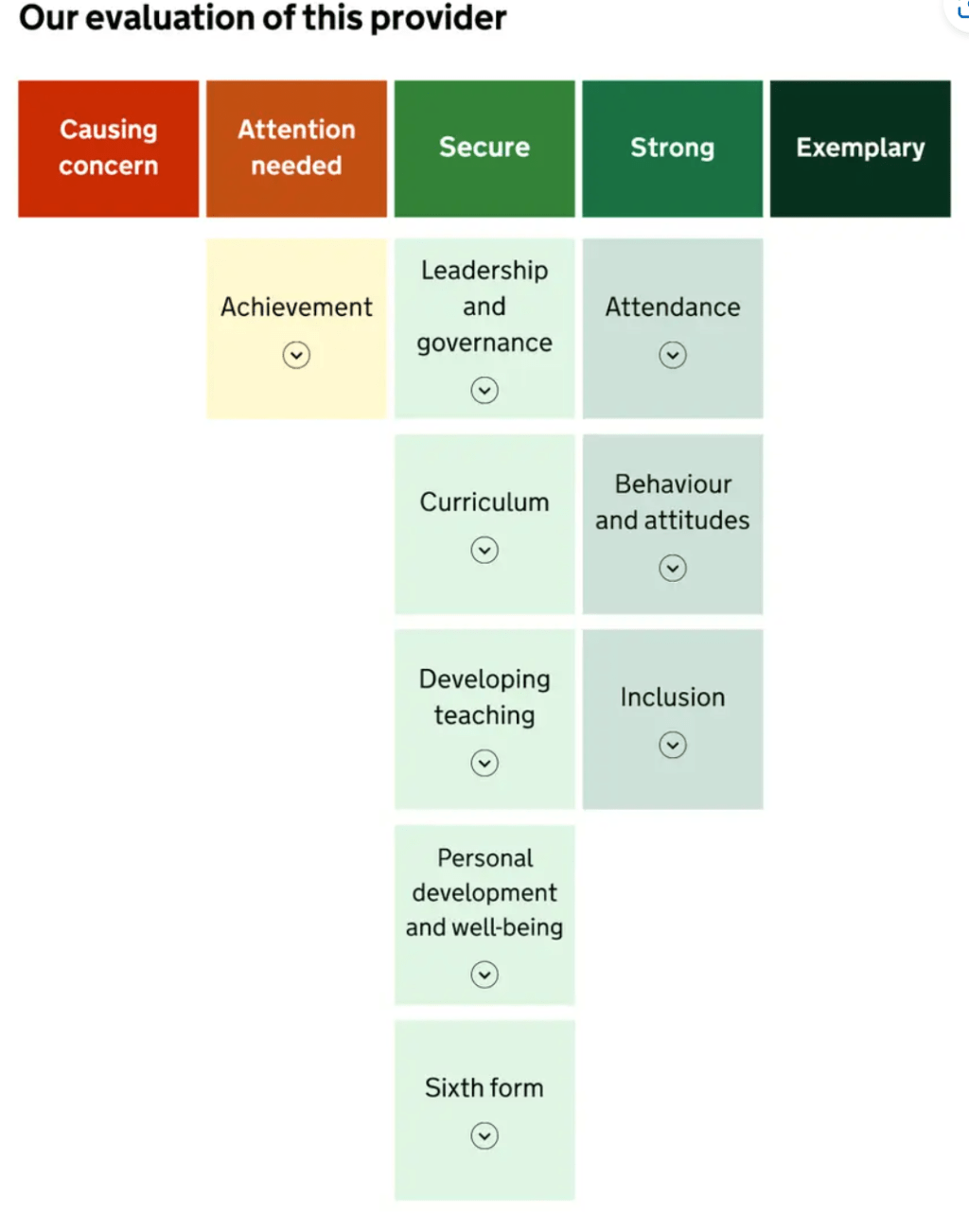
Belonging and the new Ofsted Framework.
As I am sure you will be aware by now, the UK Ofsted Inspectorate have been working on a new framework for some time now, well possibly not enough time for their own staff to feel that it is well researched and steeped in evidence based practice, but certainly long enough for a couple of…
-
The Language of Belonging
In my last blog, I talked about using a language of Love over Respect and Tolerance. Since then, I have been reflecting on the language of belonging in a more general sense. In schools, and life, every interaction we have, and the language we use to frame that interaction, has an impact on our feeling…
-

Why I’m no longer talking about Respect (or Tolerance.)
The value of Respect is one that you will find across cultures, across institutions and across countries. The United Nations identified it as one of the top 10 values shared across cultures and Gocke (2021) identified it as fifth in the core values necessary in education, as identified by future educators. But why? What does…
 The Belonging Collective